
Blue Lotus Flower: History, Benefits and Effects
Updated: Feb 4
What is Blue Lotus Flower?

Blue lotus is a captivating aquatic plant with striking blue petals. It thrives in the muddy, shallow waters of the Nile River in Egypt. Despite its name, the blue lotus is not a true lotus; it’s actually a lily. Some people refer to it as the blue water lily, the sacred blue lily of the Nile, or the Egyptian lotus.
Ancient cultures utilized blue lotus for medicinal purposes and spiritual alignment. This plant has the ability to alter consciousness. Modern herbalists recognize its potential to relieve anxiety, improve sleep, and target inflammation.
Historical Significance of Blue Lotus
Many ancient cultures held the blue lotus in high regard, including the Ancient Egyptians, Chinese, Japanese, Indians, Buddhists, and Greeks. The blue lotus had various meanings and uses as it spread across Africa and Asia. It became an integral therapeutic and spiritual compound. Historical uses for blue lotus included detoxification, meditation, medicine, burial rites, and even as an aphrodisiac.
Blue Lotus in Ancient Egyptian Mythology
Ancient Egyptians revered the blue lotus for its unique blooming patterns. This aquatic flower’s petals open with the first light of day, following the sun's arc throughout the day, and finally close at sundown. They viewed this process as a symbol of rebirth, closely associating it with Ra (the sun god) and Osiris (the god of the underworld).
They frequently created art, artifacts, and hieroglyphics to reflect this symbol. The blue lotus also played a vital role in religious ceremonies and shamanistic rituals due to its psychoactive properties. Egyptians believed the blue lotus could provide a spiritual connection to the afterlife and facilitate communication with the divine.
The famous "Book of the Dead" mentions the plant in several chapters concerning magical and religious rituals.
Blue Lotus in Buddhism and Hinduism
In Buddhism and Hinduism, the blue lotus flower serves as a powerful meditation aid and spiritual symbol. According to legend in the Lotus Sutra, a lotus flower bloomed wherever the baby Buddha stepped. The blue lotus symbolizes wisdom, knowledge, and the victory of the spirit over the senses. It is associated with purity and enlightenment, emerging untainted from muddy waters, mirroring the human soul's journey toward spiritual realization.
In Hinduism, the blue lotus flower is a symbol of divine beauty. Like Buddhists, Hindus believe that the mud, where creatures like fish and insects make their home, is the most unlikely place to create a flower of such beauty. It often appears in artwork as a symbol of the god Vishnu, associated with preservation and protection.
Medicinal Uses of Blue Lotus
Ancient cultures revered blue lotus for its mystical properties. They recognized the water lily’s profound therapeutic potential. Later research shows that blue lotus flowers contain alkaloids and flavonoids that display soothing effects, as well as anti-inflammatory and antioxidant properties.
Blue Lotus in Traditional Medicine
Medicinal blue lotus use spans thousands of years. In many cultures, it served as a treatment for anxiety, insomnia, gastrointestinal issues, and more.
Enhanced Well-being:
Blue lotus was popular for its euphoric and tranquilizing effects. It often appeared in traditional medicine as an ingredient to ease stress, anxiety, and insomnia. Ayurveda, one of the world's oldest medical systems, believes the scent of blue lotus encourages deep breathing and relaxation, making it a regular meditation and sleep aid.
Treating Diseases:
The blue lotus flower is abundant in flavonoids (similar to cannabis) such as quercetin, kaempferol, myricetin, and flavonols, which show promising antioxidant activity. Because of this, Ayurvedic medicine commonly used blue lotus to treat diarrhea, fevers, urinary problems, and heart palpitations.
Dreams and Visions:
Ancient cultures realized the blue lotus was psychoactive and could produce a high. Some reports suggest Egyptians utilized the plant to calm emotional tensions and induce lucid dreaming. However, research does not provide evidence for this connection.
Increased Libido:
Ancient Egyptians and Mayans used blue lotus as a ritual plant to achieve ecstasy and excitement. The Egyptian Turin Papyrus depicts gatherings of elite society who shared sacred wines imbued with blue lotus extract, referencing its aphrodisiac qualities. Studies show the blue lotus flower’s active ingredient, nuciferine, can help with muscle-related issues, such as erectile dysfunction.
Primary Active Compounds
Experts attribute blue lotus’ therapeutic powers to its main aporphine alkaloids, nuciferine, and apomorphine. Apomorphine is a psychoactive compound that stimulates serotonin receptors and parts of the brain influenced by dopamine. Nuciferine blocks excessive dopamine receptor stimulation, serving as an anxiety reliever and sleep aid.
Apomorphine
Apomorphine appears often in clinical settings as anesthesia and to ease sleep problems associated with Parkinson’s disease. Studies also link apomorphine to reduced anxiety levels.
Physicians recognize apomorphine as the oldest antiparkinsonian drug on the market and increasingly prescribe it in Europe for patients with advanced Parkinson’s disease with motor fluctuations.
Nuciferine
Nuciferine can relax arteries and ease inflammation, which might contribute to therapeutic effects that help with anxiety, sleep, and muscle performance. Studies also link it to anti-obesity impacts that can help with weight loss.
Another study suggests nuciferine may have potential therapeutic applications as an antipsychotic drug. The nuciferine receptor profile is similar to clozapine, one of the most successful antipsychotic drugs.
Psychoactive Effects
Apomorphine and nuciferine also exhibit psychoactive effects from their neural activation.
Apomorphine’s serotonin and dopamine stimulation creates euphoric effects that enhance mood and increase alertness.
Nuciferine’s dopamine receptor-blocking activity results in sedation, relaxation, and potential anxiety relief. While not as potent as other psychoactive substances, nuciferine contributes to mild euphoric and tranquil states at around 10 grams.
Apomorphine and nuciferine interact with dopamine in contradictory ways. However, the compounds synergize to produce a balanced set of effects, creating a unique psychoactive experience that includes both stimulatory and calming elements.
Exploring Blue Lotus Today
In today's world, the blue lotus flower continues to capture attention. Many people are turning to natural remedies for relief and wellness. The blue lotus offers a unique option for those seeking a gentle, plant-based solution. Its calming properties can help ease daily stresses and promote relaxation.
How to Use Blue Lotus
There are several ways to incorporate blue lotus into your wellness routine. You can find it in various forms, including teas, extracts, and essential oils. Each method offers unique benefits.
Teas and Infusions:
Brewing blue lotus tea is a popular choice. The process is simple. Just steep the dried flowers in hot water for a soothing drink. This tea can help calm the mind and promote relaxation.
Extracts and Tinctures:
Blue lotus extracts are concentrated forms that can be added to beverages or taken directly. They offer a more potent dose of the plant's beneficial compounds.
Essential Oils:
Using blue lotus essential oil in aromatherapy can enhance your relaxation experience. Add a few drops to a diffuser or mix with a carrier oil for a calming massage.
Conclusion
The blue lotus flower is more than just a beautiful plant. Its rich history and numerous medicinal properties make it a fascinating subject of study. From ancient rituals to modern herbal practices, the blue lotus continues to inspire and heal. Whether you seek natural relief or a deeper spiritual connection, exploring the benefits of blue lotus can be a rewarding journey.
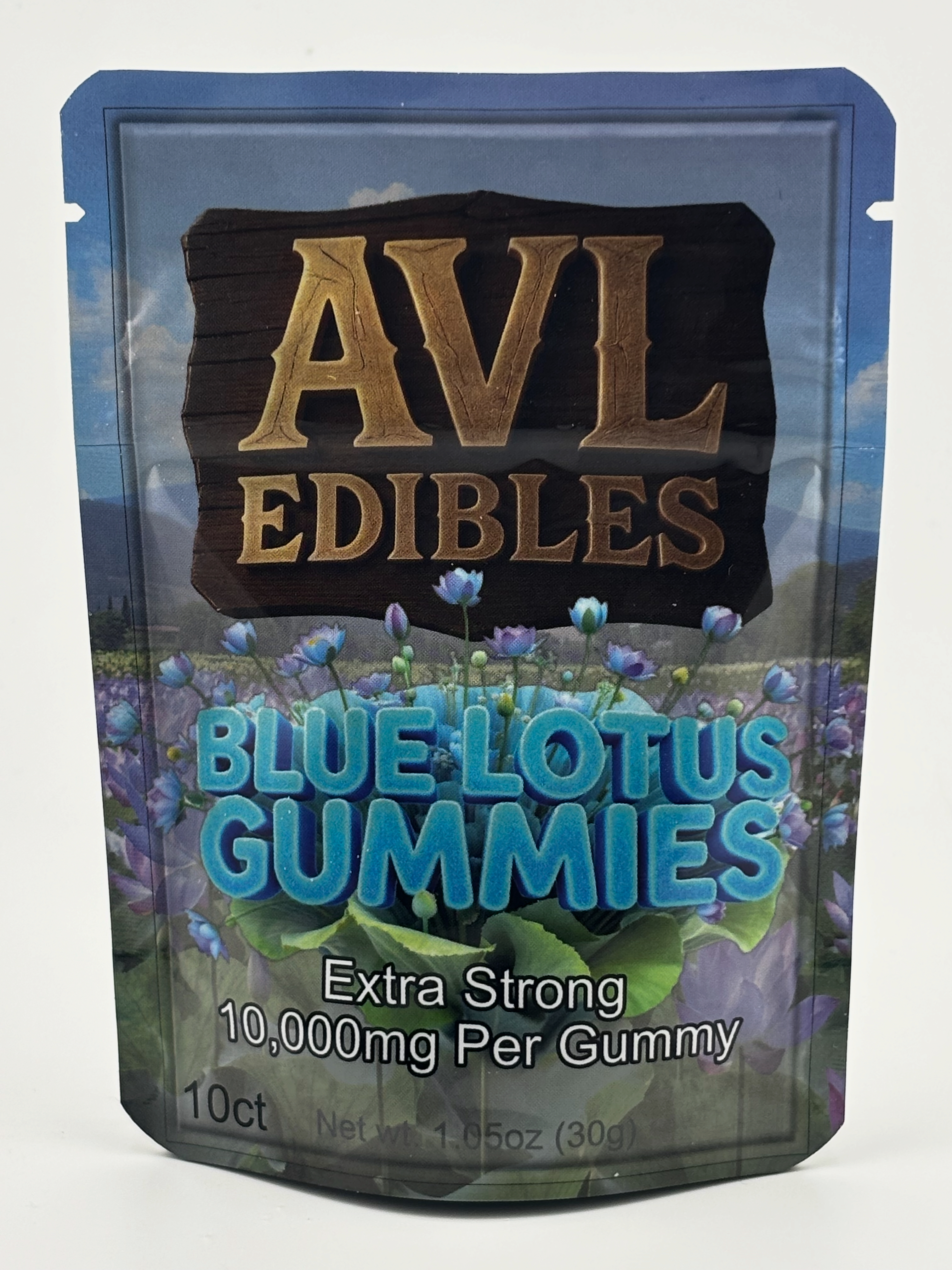
If you're interested in discovering more about natural wellness products, consider exploring the offerings from AVL Edibles. They aim to be the go-to source for natural, plant-based wellness products, helping individuals find relief and improve their well-being through high-quality, effective edibles and topicals.
---wix---
Comments